
October 21, 2026 · Quartz Epoxy Pro
Should I grind, acid etch or resurface my concrete before epoxy?
For most garage floors you do not need to resurface the concrete before epoxy. You need to grind it. We recommend mechanical grinding of the whole floor to a texture like 60 grit sandpaper, then patching any cracks, pits or damaged spots, and only going further if the slab is badly broken up.
Prep is where epoxy floors are won or lost. Our installation guide states that about 95% of epoxy failures trace back to inadequate surface prep. So let us walk through the three options people ask about, what we recommend, and how to tell what your floor actually needs.
Grinding vs acid etching vs resurfacing
These three get lumped together, but they solve different problems.
Mechanical grinding
Grinding uses an angle grinder with a diamond cup wheel, or a rented walk behind floor grinder, to remove the top skin of the concrete along with surface stains, old sealers and weak material. It leaves an open, textured surface the epoxy can grip. This is the method our installation instructions call for: grind the whole floor to a texture like 60 grit sandpaper.
Why we push grinding:
- You can see and feel the result. If it feels like 60 grit sandpaper everywhere, you are there.
- It physically removes sealers and contaminants instead of just reacting with the surface.
- It is consistent across the floor, including around old oil stains.
Acid etching
Acid etching uses a chemical solution to open up the surface of the concrete. It is less equipment, which is why people like the idea. The problem is that it does not remove sealers, paint or oil that are sitting on the slab, and results can be uneven from spot to spot. It also adds a rinse and dry step with water on the floor. Our guide is built around mechanical grinding, and that is the method we stand behind for our kits. If you are set on etching, call us first and we will talk through your floor.
Resurfacing
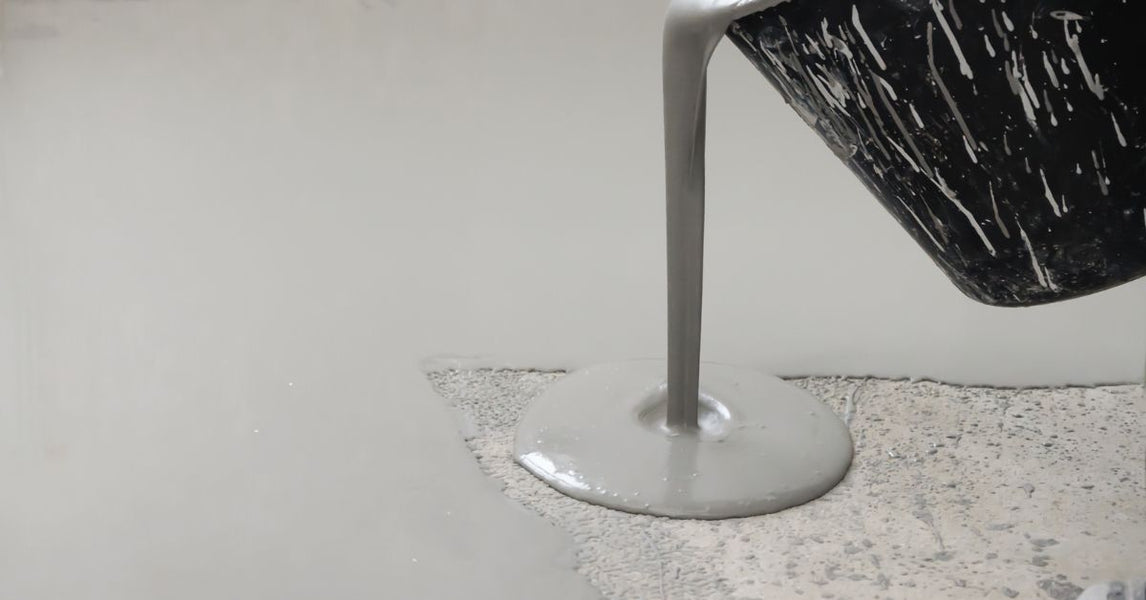
Resurfacing means putting down a new cement based layer over the old slab. It is a fix for concrete that is heavily damaged across large areas. Most garage floors do not need it. A floor with a few cracks, some pits and oil stains needs cleaning, patching and grinding, not a new surface.
When patching or resurfacing is actually needed
Walk the floor in good light before you decide. Here is how we sort it:
- Hairline and small cracks: fill with concrete patch compound or epoxy crack filler and let it cure fully. Never use silicone fillers.
- Pits and holes: patch them the same way, then grind the patched areas flush with the rest of the floor.
- Spalling (flaking or chipped surface): grind off the loose material and patch what is left. Heavy spalling across a large part of the slab is the case where you should call us before buying anything, because you may need more repair work before coating.
- Moving or active cracks: patch them, but know that an epoxy coating does not stop a slab from moving. It will not prevent new cracks caused by soil movement or settling. More on that in does epoxy stop garage floor cracks.
The self leveling coat at about one eighth inch thick will smooth out minor texture, but it is not a filler for holes and cracks. Fix those first.
Our prep sequence, step by step
- Clear and clean. Sweep and vacuum. Scrub with concrete cleaner or degreaser, especially oil spots. Rinse and let the slab dry fully.
- Run the water droplet test. Sprinkle water on the floor. If it soaks in within about 30 seconds, the surface can take coating. If it beads up, there is a sealer or contaminant you need to remove. Test several spots, not just one.
- Patch. Fill cracks, pits and holes with concrete patch compound or epoxy crack filler. Let it cure fully.
- Grind. Grind the whole floor to a texture like 60 grit sandpaper. Pay extra attention to any area that beaded water.
- Remove every bit of dust. Vacuum thoroughly. Leftover dust acts as a barrier layer between the concrete and the epoxy, and that is a direct path to peeling.
- Moisture test the concrete. Do this before you open the kit, and make sure relative humidity in the space is below 65%.
Plan on about 2 to 6 hours or more for prep. A 500 sq ft garage with staining can take a full day. That is why a typical job is a weekend: prep and prime on day one, pour on day two. If you are budgeting time and money, our post on what it costs to epoxy a two car garage has the full breakdown.
Dust removal is not optional
Grinding makes a lot of fine dust, and it settles into every pore you just opened. If you coat over it, the epoxy bonds to the dust instead of the concrete. Vacuum the whole floor, then vacuum again along the walls, in the corners and in any low spots. Run your hand across the surface. If your palm comes up dusty, keep going.
When to use primer
Primer is not included in the kit and is sold separately. It is strongly recommended for:
- Porous or older concrete, past the ten year mark
- Floors that were previously painted or sealed
- Areas with past moisture issues
- Commercial installs
- Floors under heavy vehicle traffic
Worn or stained concrete also benefits from primer because it helps prevent uneven color in the finished floor. Apply it thin with a 9 inch roller or squeegee in 10 x 10 ft sections. Do not let it puddle. Cure it per the label, which runs 4 to 24 hours, and make sure it is tack free before the epoxy goes down.
What happens if you skip prep
Peeling is the classic result, and it comes from oil, grease or sealer left on the slab. The fix is to grind the affected area back to bare concrete, clean it and recoat. That is a lot more work than doing it right the first time. For the full list of problems and how to prevent them, read what can go wrong with an epoxy floor.
Once the floor is prepped, our indoor quartz sand epoxy self leveling garage floor kit covers 100 sq ft per kit, and the epoxy tool kit gives you spiked shoes and trowels for the pour. If you are working in a particular area, check our city planning guides for local tips.
Quick answers
Do I need to resurface my garage floor before epoxy?
Usually not. Most garage floors need cleaning, patching of cracks and pits, and a full mechanical grind to a texture like 60 grit sandpaper. Call us if the slab has heavy spalling across a large area.
Is acid etching good enough instead of grinding?
We recommend mechanical grinding. It removes sealers, stains and weak surface material, and you can feel when the whole floor is at a 60 grit like texture. Etching does not remove sealers or oil sitting on the slab.
How do I know if my concrete has a sealer on it?
Do the water droplet test. Sprinkle water on the floor. If it soaks in within about 30 seconds, the surface can take coating. If it beads up, there is a sealer or contaminant to grind off.
Do I need primer on my garage floor?
Primer is strongly recommended for porous or older concrete, previously painted or sealed floors, areas with past moisture issues, commercial installs and floors under heavy vehicle traffic. It is sold separately.
Not sure what your slab needs
Send us a few photos or give us a call and we will tell you whether to patch, grind or prime. Free phone support comes with every kit.